Archives
- 2026-07
- 2026-06
- 2026-05
- 2026-04
- 2026-03
- 2026-02
- 2026-01
- 2025-12
- 2025-11
- 2025-10
- 2023-07
- 2023-06
- 2023-05
- 2023-04
- 2023-03
- 2023-02
- 2023-01
- 2022-12
- 2022-11
- 2022-10
- 2022-09
- 2022-08
- 2022-07
- 2022-06
- 2022-05
- 2022-04
- 2022-03
- 2022-02
- 2022-01
- 2021-12
- 2021-11
- 2021-10
- 2021-09
- 2021-08
- 2021-07
- 2021-06
- 2021-05
- 2021-04
- 2021-03
- 2021-02
- 2021-01
- 2020-12
- 2020-11
- 2020-10
- 2020-09
- 2020-08
- 2020-07
- 2020-06
- 2020-05
- 2020-04
- 2020-03
- 2020-02
- 2020-01
- 2019-12
- 2019-11
- 2019-10
- 2019-09
- 2019-08
- 2019-07
- 2019-06
- 2019-05
- 2019-04
- 2018-07
-
Another consistent observation in our studies was
2021-10-11
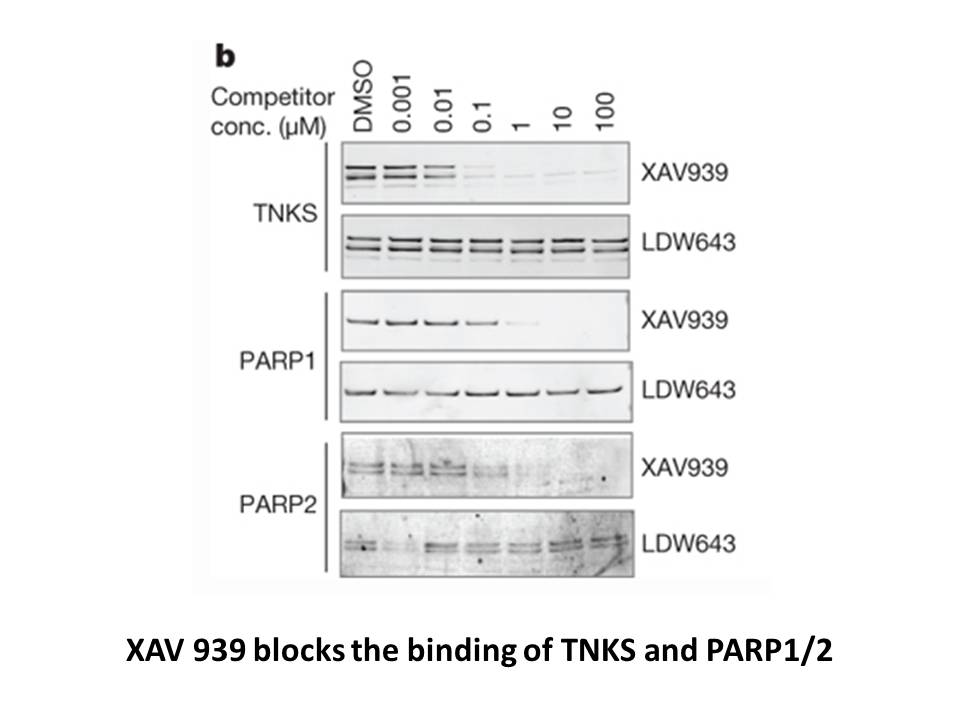
Another consistent observation in our studies was the lower plasma catecholamine concentrations in the exercised GHSR-null mice, suggesting a diminished sympathoadrenal response. A proper sympathoadrenal response is essential for increasing substrate utilization during exercise [81]. Thus, the reduc
-
Piezo channels can be activated
2021-10-11
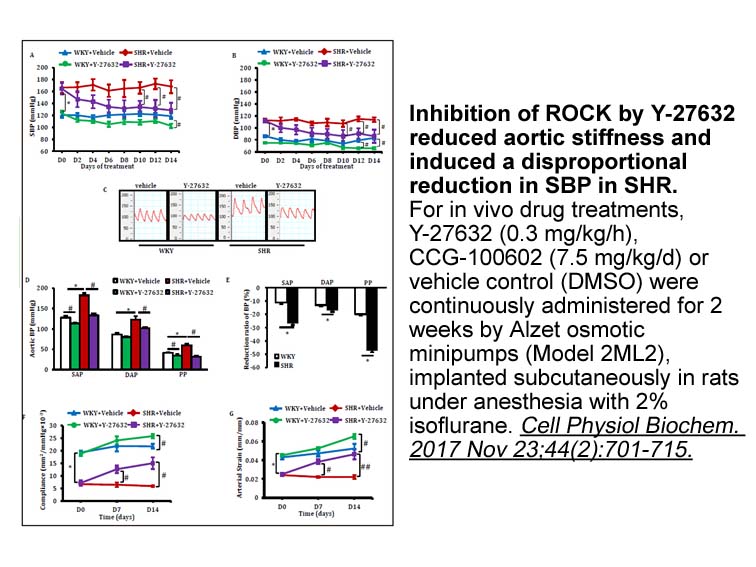
Piezo channels can be activated by many mechanical stimuli . While some of these stimulations directly mimic physiological forces experienced by Azidobutyric acid NHS ester , such as shear stress applied in a microfluidic chamber, the most commonly used modes of stimulation consist of stretching t
-
VS strategies have been building momentum
2021-10-09
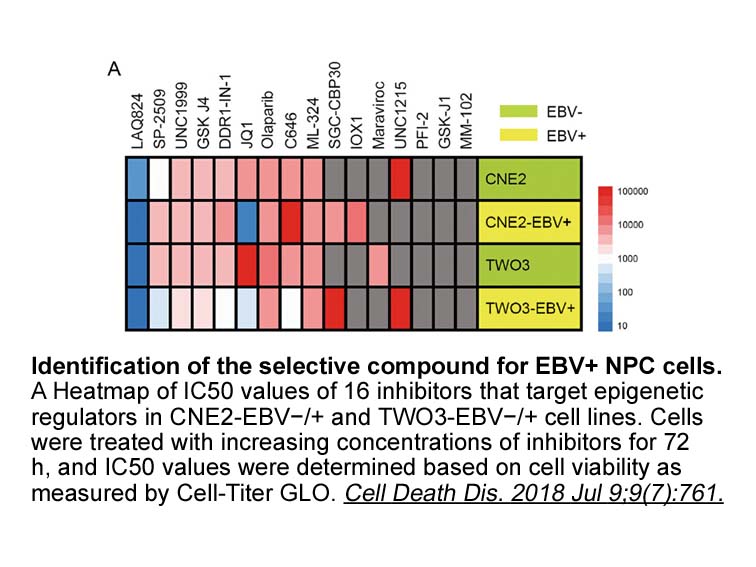
VS strategies have been building momentum in G4 drug discovery both as a low-cost enrichment step and as a lead development step in the discovery pipeline, which our laboratory has previously discussed [31]. Whereas traditional HTS methods rely on obtaining and screening hundreds or thousands of com
-
br Lung cancer cell lines The greatest expression
2021-10-09

Lung cancer cell lines The greatest expression of both human and rodent FFA4 transcript has been shown to be localized to the lung [61], yet the physiological role in this tissue has been understudied, as has its involvement in lung cancers. In 2015, a two-staged genome-wide association study of
-
br Materials and methods br Results
2021-10-09
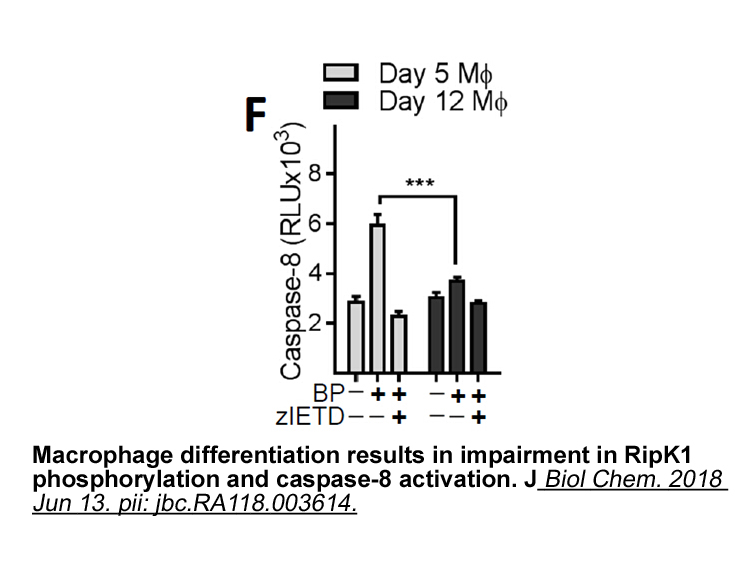
Materials and methods Results Discussion Cell migration not only plays major roles in physiological events, such as embryo implantation, embryogenesis, morphogenesis, neurogenesis, angiogenesis, wound healing and inflammation [[29], [30], [31]], but it is also implicated in the pathophysiol
-
The electroconductive or electrocatalytic properties
2021-10-09
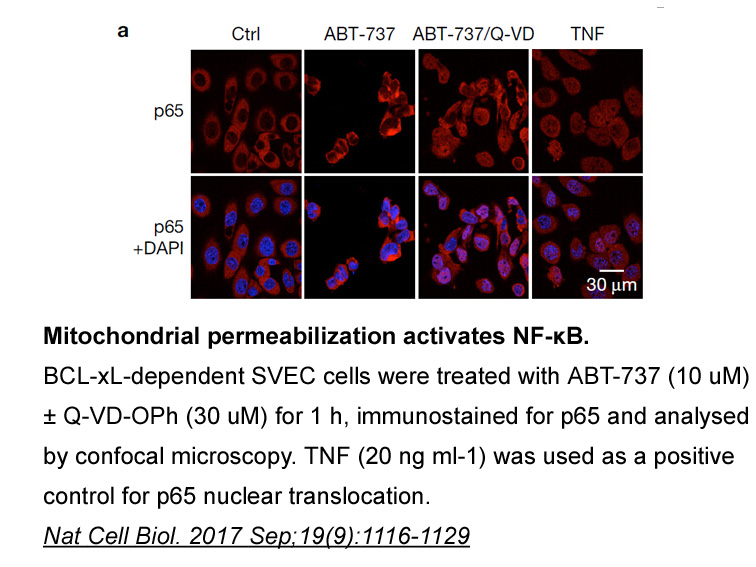
The electroconductive or electrocatalytic properties of conductive moieties including polymers in combination with carbon or metal-based nanomaterials have also been explored. For example, Dong et al. (2017) developed a portable electrochemical immunosensor by creating a film of Prussian blue chitos
-
Although no data exist on
2021-10-09
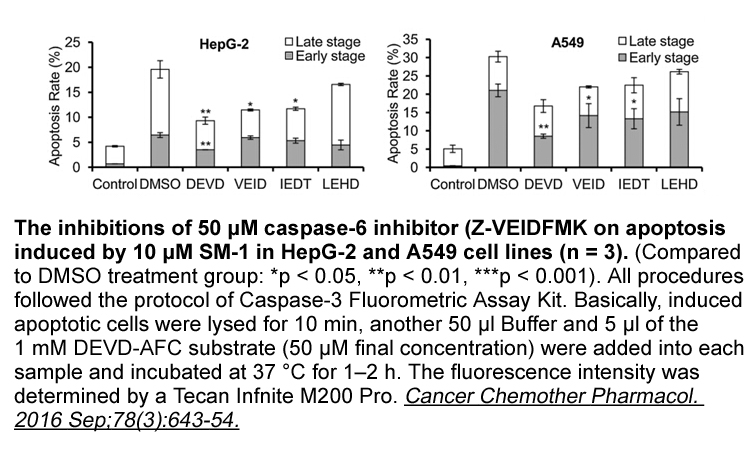
Although no data exist on Ptc52 gene ICI 118,551 hydrochloride in other plant species, the expression pattern presented in this study shows perceptibly low levels of transcript accumulation in tomato seeds and roots, low levels in the stem, flower and green fruit, and high levels in the leaves. Thi
-
Considering that TGF plays a pivotal role in inflammation re
2021-10-09

Considering that TGF-β1 plays a pivotal role in inflammation, renal fibrosis, cell growth, differentiation, and apoptosis, it has been viewed as a vital mediator in kidney disease [49,50]. Studies have demonstrated that TGF-β1 is upregulated in both human and experimental kidney diseases [51,52]. TG
-
Cut proteins have five evolutionarily conserved domains Thes
2021-10-09

Cut proteins have five evolutionarily conserved domains. These include a homeodomain, three Cut repeats, and a coiled coil structure. The cut repeats, called CR1, CR2, and CR3, are composed of 70 amino acids, and, along with the homeodomain, are each capable of binding DNA. Mammalian cut proteins fu
-
Whereas binding of activated RhoA to the PH domains
2021-10-09
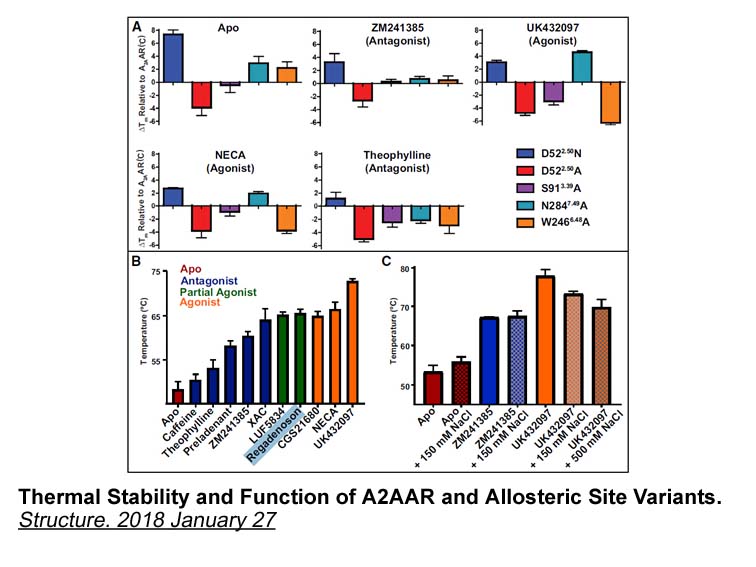
Whereas binding of activated RhoA to the PH domains of the RhoGEFs is proposed to mediate positive feedback regulation (Chen et al., 2010b, Medina et al., 2013), the sequestration of p190RhoGEF by activated Rac1 reveals a novel putative physiological role, that is to utilize Rac1 to directly drive r
-
Several studies have found that GPR
2021-10-09
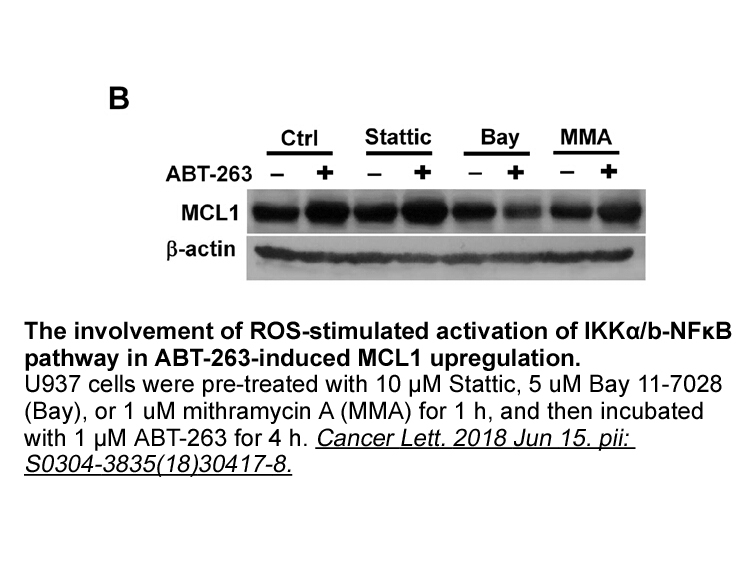
Several studies have found that GPR55 possesses a distinct pharmacology from that of CB1 and CB2, and that only certain cannabinoids act at this receptor. In transfected focal adhesion kinase expressing hGPR55, out of more than 20 synthetic and endogenous cannabinoids evaluated, only 2 compounds, S
-
While a role for YAP TAZ
2021-10-09
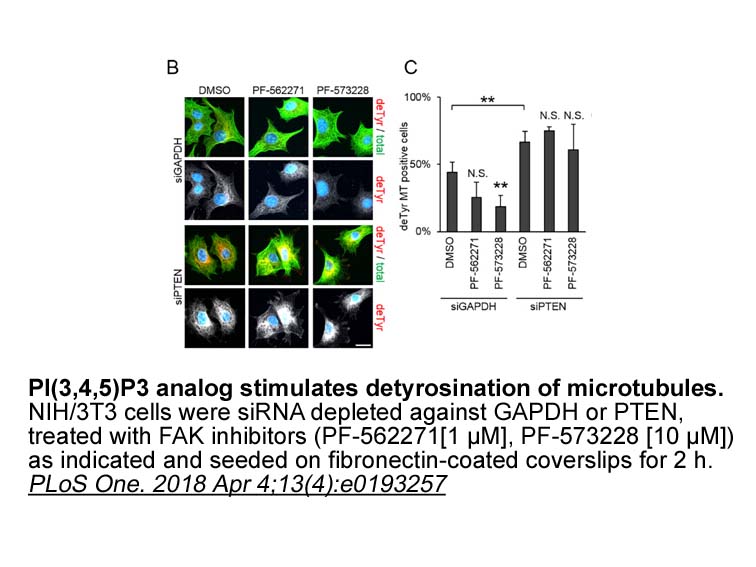
While a role for YAP/TAZ signaling in oligodendrocytes has not been described, these cytokine inhibitors are also responsive to mechanical stimuli. OPC proliferation and migration can be altered by plating on substrates of varying stiffness [20], resulting in differentiation in a density-dependent
-
The diseases of ocular surface and the cornea
2021-10-09
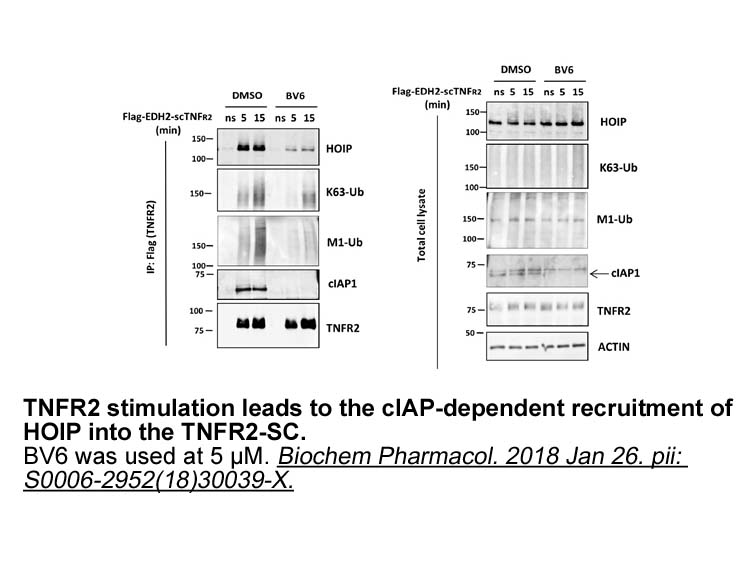
The diseases of ocular surface and the cornea are very common in ophthalmological practice and as a result there is a continuous, need for novel therapeutic options. Here, we demonstrated a corneal distribution of GPR35, a potential molecular target for new drugs (; ). The search for the expression
-
Fig A demonstrates the body weight gain of
2021-10-09
Fig. 2A demonstrates the body weight gain of the pregestational females. High-fat diet in wild-type mice increased body weight in 2 weeks and sustained this increase over 8 weeks. A similar effect was noted in glut3 mice in response to a high-fat diet. Fig. 2B depicts fat and muscle mass as assessed
-
In the present study Trichoderma viride glucosidase
2021-10-09
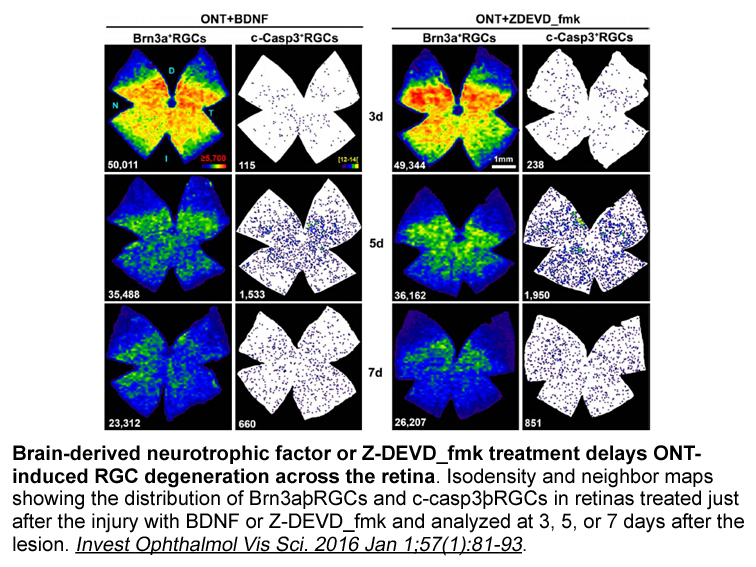
In the present study, Trichoderma viride β-glucosidase was screened in our laboratory and used for the synthesis of gentiooligosaccharides via reverse hydrolysis and transglycosylation. Material and methods Results and discussion Conclusions In the present study, the T. viride β-glucosidas
11420 records 288/762 page Previous Next First page 上5页 286287288289290 下5页 Last page