Archives
- 2026-07
- 2026-06
- 2026-05
- 2026-04
- 2026-03
- 2026-02
- 2026-01
- 2025-12
- 2025-11
- 2025-10
- 2023-07
- 2023-06
- 2023-05
- 2023-04
- 2023-03
- 2023-02
- 2023-01
- 2022-12
- 2022-11
- 2022-10
- 2022-09
- 2022-08
- 2022-07
- 2022-06
- 2022-05
- 2022-04
- 2022-03
- 2022-02
- 2022-01
- 2021-12
- 2021-11
- 2021-10
- 2021-09
- 2021-08
- 2021-07
- 2021-06
- 2021-05
- 2021-04
- 2021-03
- 2021-02
- 2021-01
- 2020-12
- 2020-11
- 2020-10
- 2020-09
- 2020-08
- 2020-07
- 2020-06
- 2020-05
- 2020-04
- 2020-03
- 2020-02
- 2020-01
- 2019-12
- 2019-11
- 2019-10
- 2019-09
- 2019-08
- 2019-07
- 2019-06
- 2019-05
- 2019-04
- 2018-07
-
In vivo study showed that the CYP A activity was
2020-08-26
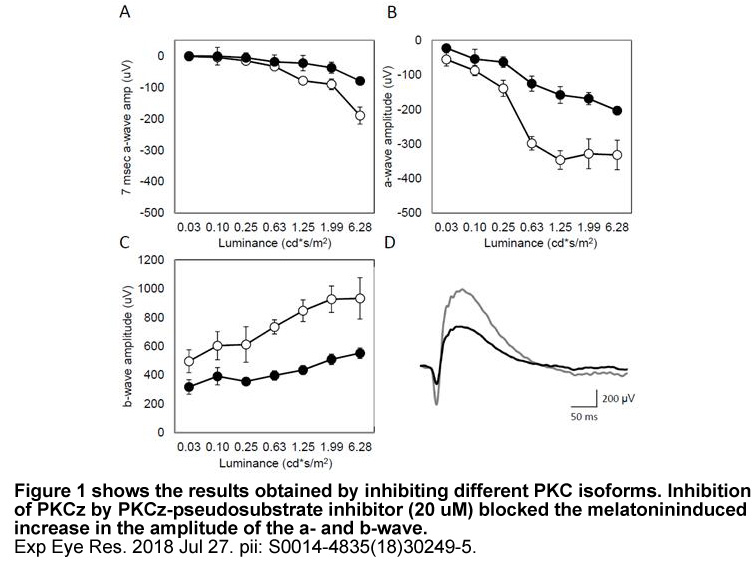
In vivo study showed that the CYP3A activity was increased, when morroniside (10, 30 and 90 mg/kg, i.g.) was daily for seven consecutive days. Further, RT-PCR analysis showed that the induction of mRNA RO4956371 by morroniside (10, 30 and 90 mg/kg, i.g.) was 1.13-, 1.43- and 1.79-fold higher, respec
-
br Introduction Rheumatoid arthritis RA
2020-08-26
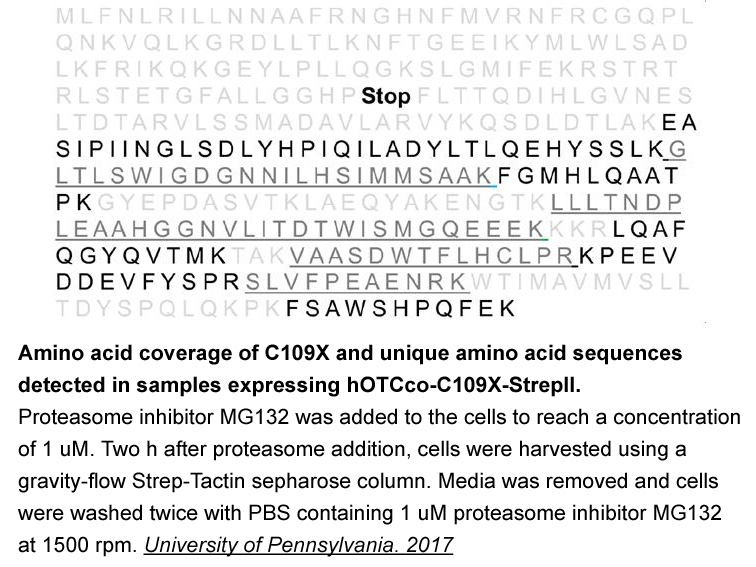
Introduction Rheumatoid arthritis (RA) is a chronic, systemic inflammatory disease that can be divided in at least two subsets based on the presence of antibodies to citrullinated proteins (ACPAs) [1]. Importantly, such ACPA target proteins [[2], [3], [4], [5]] also represent candidate autoantige
-
However in many of the above mentioned studies the NaCl
2020-08-26
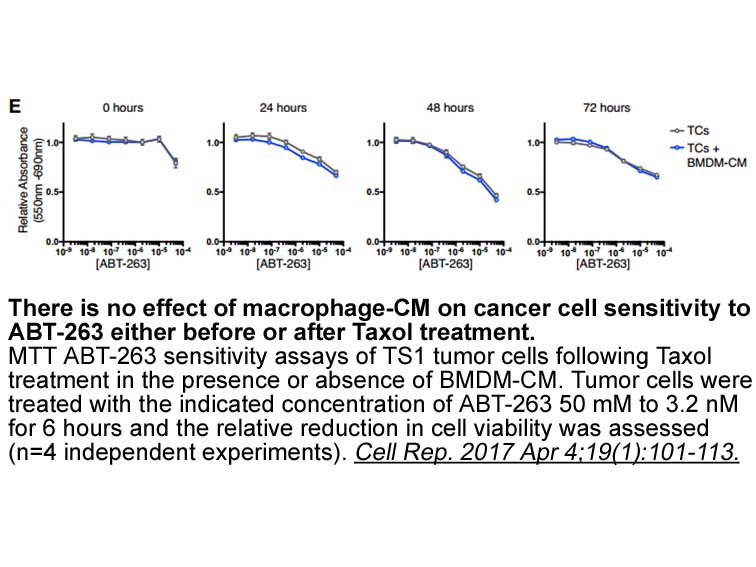
However, in many of the above mentioned studies, the NaCl concentrations in the extraction buffers were different from those used here. For instance, in the study that performed cathepsin D extraction from human AD cetp inhibitors tissue, the concentration was 150mM [30], while that for the extract
-
The structure of the HOIP RBR LDD
2020-08-26
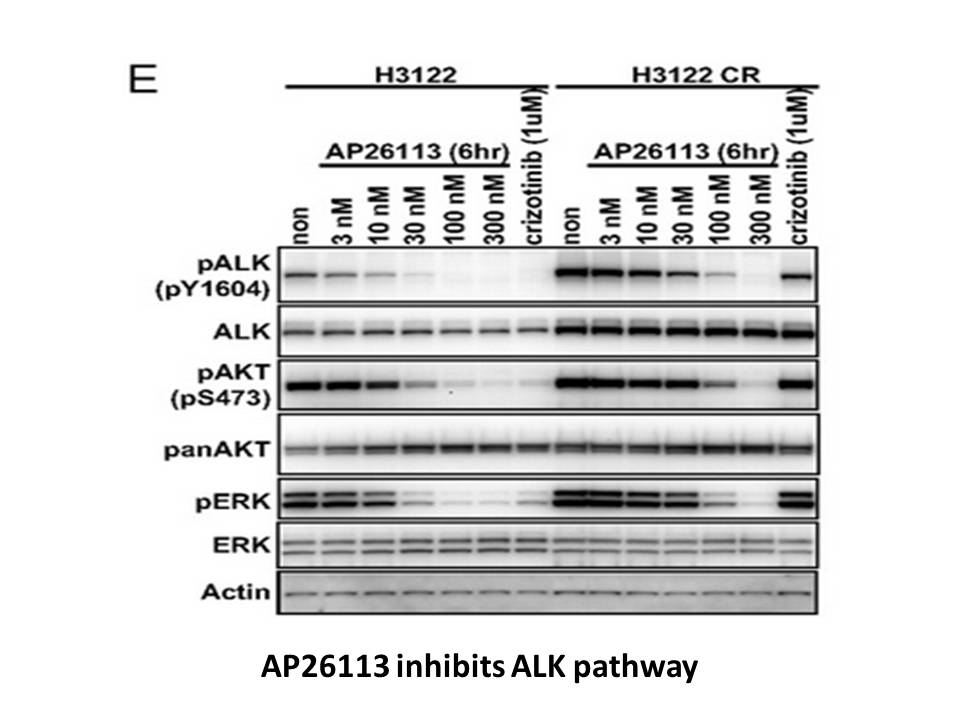
The structure of the HOIP RBR–LDD module bound to UbcH5~Ub reveals insights into an activated HOIP component [47]. Contacts between the E2~Ub and the non-cognate RBR module in the crystal suggest how a structure in which the active sites of the E2 and the E3 are in close proximity might look. In thi
-
The BMP family comprises significant growth factors for the
2020-08-26
The BMP family comprises significant growth factors for the regeneration of bone and cartilage. Among these, BMP- has been known as an early marker during the proliferation of osteoblast cells, and one of the most potent stimulators of osteoblastic cells differentiation [40]. Studies with COX-2 knoc
-
C PHNO has been described as
2020-08-26

[11C]-(+)-PHNO has been described as a full agonist at both D2 and D3 receptors [54,55]. [11C]-(+)-PHNO was initially developed as a PET radiotracer for imaging the high affinity state of the D2 receptor (i.e., highD2) as a means of measuring synaptic dopamine changes in response to pharmacologic ch
-
br Methods for assessing TLS
2020-08-26
Methods for assessing TLS While the precise quantification of restricted DNA synthesis events is possible (e.g. unscheduled DNA synthesis (UDS) reveals NER), so far, it is impossible to identify TLS stretches of only a few nucleotides within the background of bulk DNA replication of normal DNA. N
-
br Materials and methods br Results
2020-08-26
Materials and methods Results Discussion We found that mRNA expression of PCNA significantly was down-regulated in BCP-ALL 2 deoxyglucose following co-treatment with doxorubicin and NU7441 (Fig. 6e). Our result is congruent with Gehen et al. study reporting that down-regulation of PCNA pot
-
TH287 br Results br Discussion Thus the biochemical and stru
2020-08-26
Results Discussion Thus, the biochemical and structural studies of six Maf proteins from different organisms have revealed two subfamilies of new enzymes with the metal-dependent nucleoside triphosphate pyrophosphatase activity against both canonical and noncanonical pyrimidine nucleotides (Yh
-
br Conclusions br Acknowledgement Grant support Ministry of
2020-08-24
Conclusions Acknowledgement Grant support: Ministry of Health (n. of grant: RBAP10447J_004 to N. Baldini), Italian Association for Cancer Research (n. of grant: 11426 to N. Baldini). Introduction Ewing sarcomas (ES) and primitive neuroectodermal tumors (PNET) are related childhood tumors.
-
We propose that unlike other autophagy
2020-08-24
We propose that, unlike other autophagy genes, the specific increase in the expression of IRGM by pEIF2A plays a major role as a checkpoint allowing host cell survival by autophagy or host cell elimination by necroptosis. The localization of IRGM to the mitochondrial inner membrane, its ability to i
-
AG-1024 australia br Materials and methods Details on materi
2020-08-24
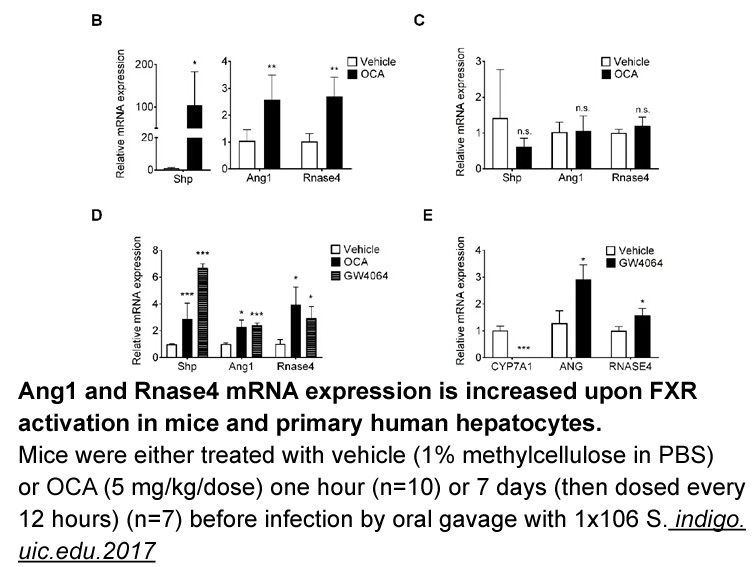
Materials and methods Details on materials and methods can be found in the Supplemental material section. Results Discussion In our experiments we mimicked inflammation by LPS challenge of M0 macrophages. We discovered a strong increase in expression of CH25H and CYP7B1 while CYP27A1 and H
-
In the past few years we and others have reported
2020-08-24
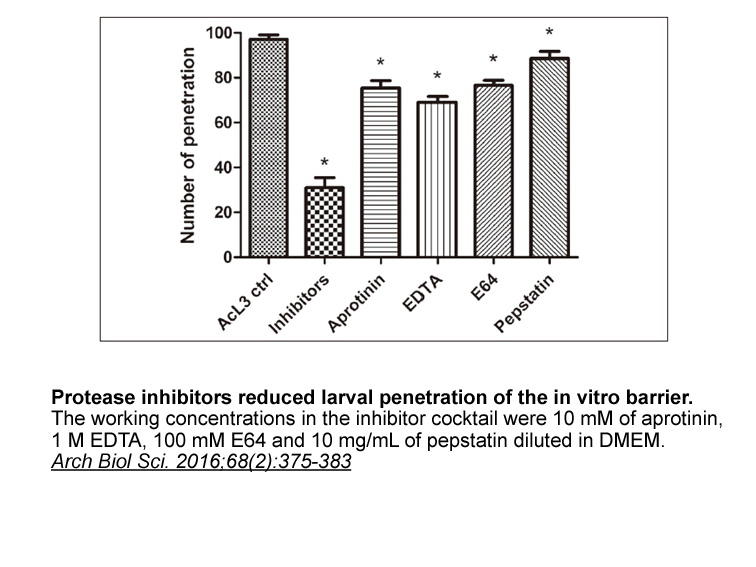
In the past few years we and others have reported that GLP-1 may also be secreted by sub-populations of alpha herpes simplex virus in human pancreatic islets (Marchetti et al., 2012, Ellingsgaard et al., 2011), which could contribute to beta cell function and survival (Marchetti et al., 2012, Ellin
-
br Conflict of interest statement br Acknowledgement
2020-08-22
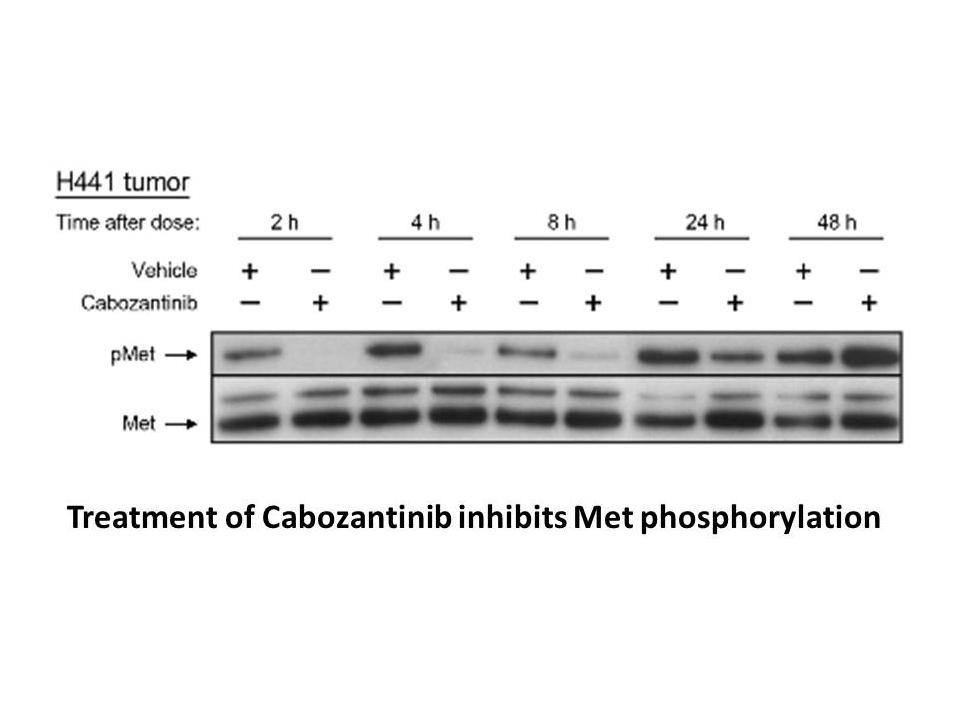
Conflict of interest statement Acknowledgement The study was financially supported by the Ministry of Education, Youth and Sports of the Czech Republic – projects “CENAKVA” (No. CZ.1.05/2.1.00/01.0024) and “CENAKVA II” (No. LO1205 under the NPU I program), by the Grant Agency of the University
-
The different diagnostic outcomes of the two assays
2020-08-22
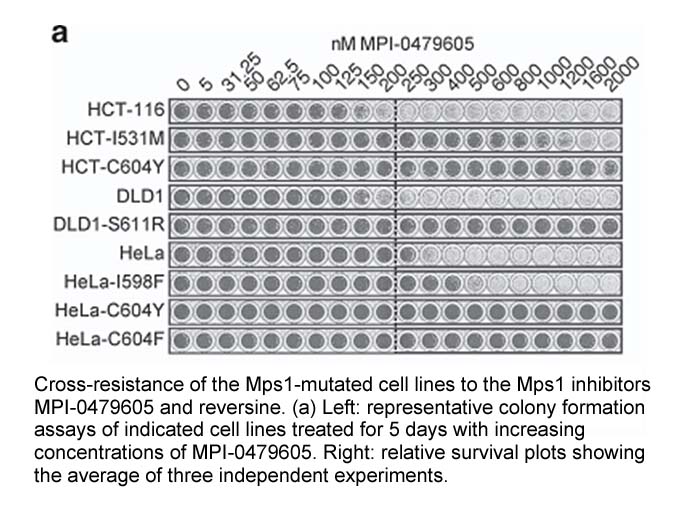
The different diagnostic outcomes of the two assays are also dependent on the used stimuli. The QuantiFERON-CMV assay targets CD8 + T Candesartan by using peptides whereas the T-Track-CMV targets CD4+ and CD8 + T cells by stimulation with two viral proteins [18]. In our study, a specificity of 100%
11419 records 508/762 page Previous Next First page 上5页 506507508509510 下5页 Last page