Archives
- 2026-07
- 2026-06
- 2026-05
- 2026-04
- 2026-03
- 2026-02
- 2026-01
- 2025-12
- 2025-11
- 2025-10
- 2023-07
- 2023-06
- 2023-05
- 2023-04
- 2023-03
- 2023-02
- 2023-01
- 2022-12
- 2022-11
- 2022-10
- 2022-09
- 2022-08
- 2022-07
- 2022-06
- 2022-05
- 2022-04
- 2022-03
- 2022-02
- 2022-01
- 2021-12
- 2021-11
- 2021-10
- 2021-09
- 2021-08
- 2021-07
- 2021-06
- 2021-05
- 2021-04
- 2021-03
- 2021-02
- 2021-01
- 2020-12
- 2020-11
- 2020-10
- 2020-09
- 2020-08
- 2020-07
- 2020-06
- 2020-05
- 2020-04
- 2020-03
- 2020-02
- 2020-01
- 2019-12
- 2019-11
- 2019-10
- 2019-09
- 2019-08
- 2019-07
- 2019-06
- 2019-05
- 2019-04
- 2018-07
-
CSL is endowed with an intrinsic transcription repressive
2022-10-12
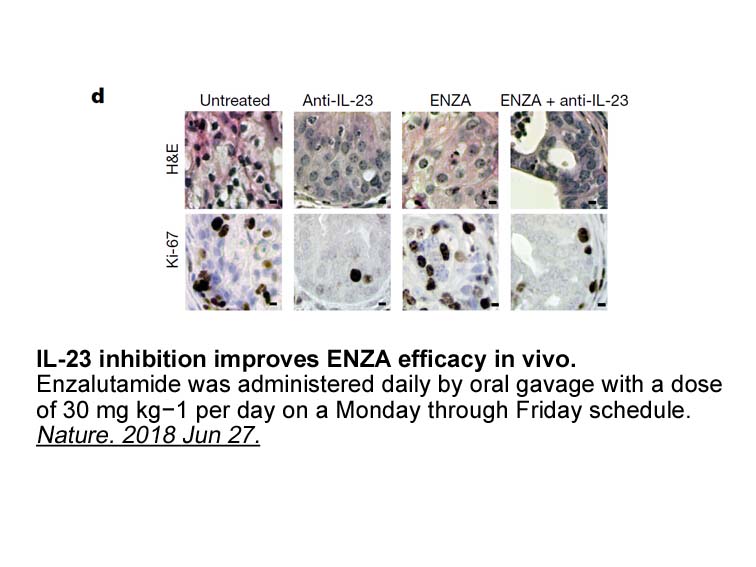
CSL is endowed with an intrinsic transcription-repressive function, and CAF-effector genes are induced as a consequence of CSL downmodulation (Hu et al., 2012, Procopio et al., 2015), as it can occur upon exposure to pro-carcinogenic stimuli such as UVA or smoke-derived compounds (Menietti et al., 2
-
Because of its role in the cleavage of
2022-10-11

Because of its role in the cleavage of Aβ and the fact that many genetic forms of AD are caused by mutations in the enzyme, GS has long been a target for drug development, though previous clinical trials of Semagacestat, a GS inhibitor, have failed due to an increase in skin cancer, and a decrease i
-
Cinchonidine mg The current gold standard for diagnosing BAM
2022-10-11
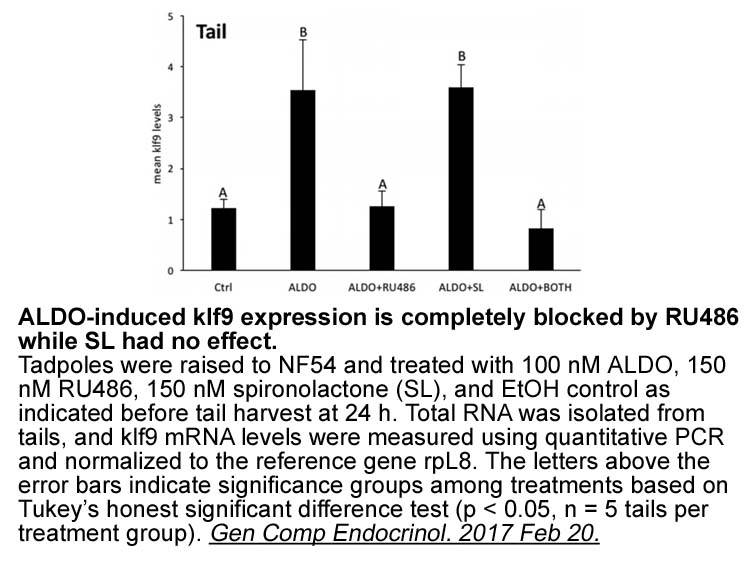
The current gold standard for diagnosing BAM or BAD is the measurement of BA turnover rate with radiolabelled tauroselcholic (75selenium) Cinchonidine mg (also known as the SeHCAT retention test). SeHCAT test involves the use of a synthetic analogue of naturally occurring conjugated taurocholic aci
-
br Conclusion br Conflict of interest br Acknowledgements br
2022-10-11
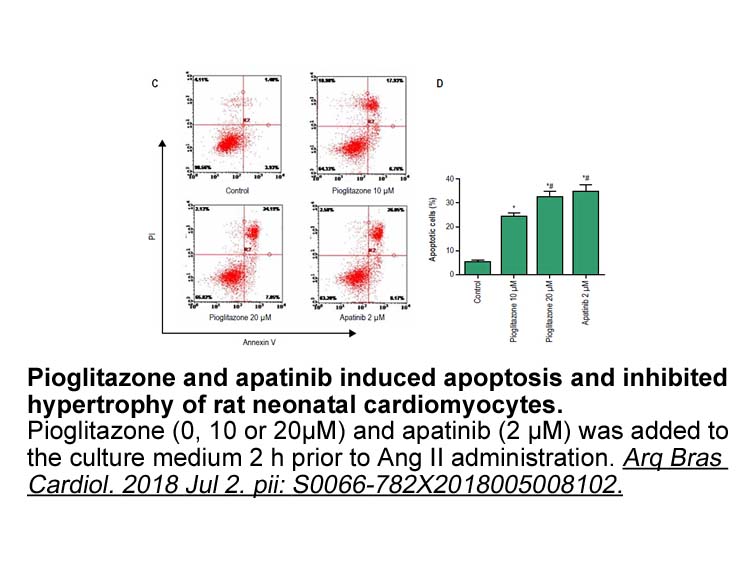
Conclusion Conflict of interest Acknowledgements Introduction The brain contains abundant fatty acids, which serve as constituents of membranes and as an energy source. In addition, fatty acids and their metabolites contribute to signal transduction between neurons or neurons and glial c
-
In addition to the four classical FGFRs there is an
2022-10-11
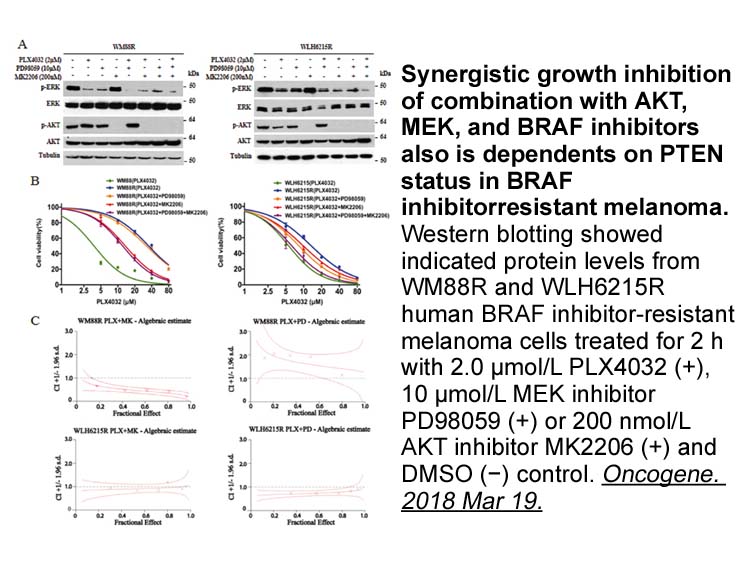
In addition to the four classical FGFRs there is an additional receptor, FGFR like-1 (FGFRL1, also known as FGFR5) (Ornitz and Itoh, 2015, Trueb et al., 2003). FGFRL1 gene was discovered in a cartilage specific cDNA library in 2000 (Trueb, 2011, Trueb et al., 2003) and thereafter it has been found i
-
Considering the fact that NADPH oxidase is the
2022-10-11
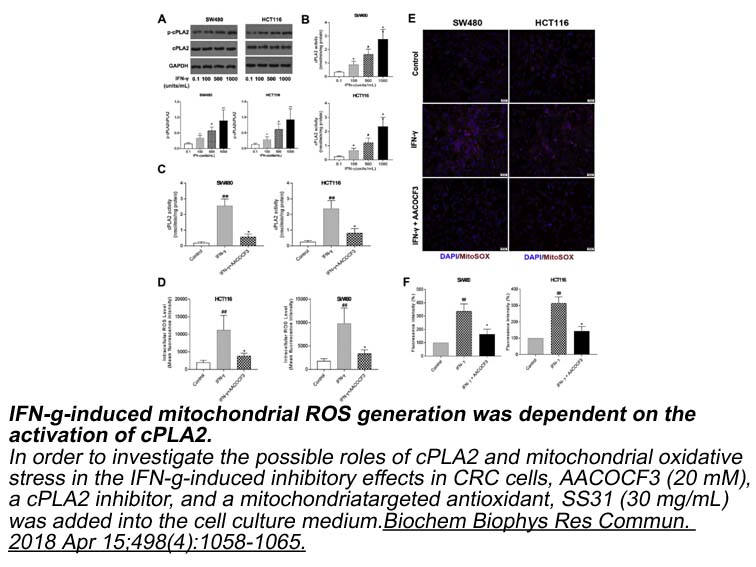
Considering the fact that NADPH oxidase is the main source for paraquat and maneb-induced oxidative stress, we hypothesized that NADPH oxidase activation might contribute to dopaminergic neurodegeneration induced by paraquat and maneb through ferroptosis. To test our hypothesis, we investigated the
-
The Ala to Leu substitution would reduce the
2022-10-11
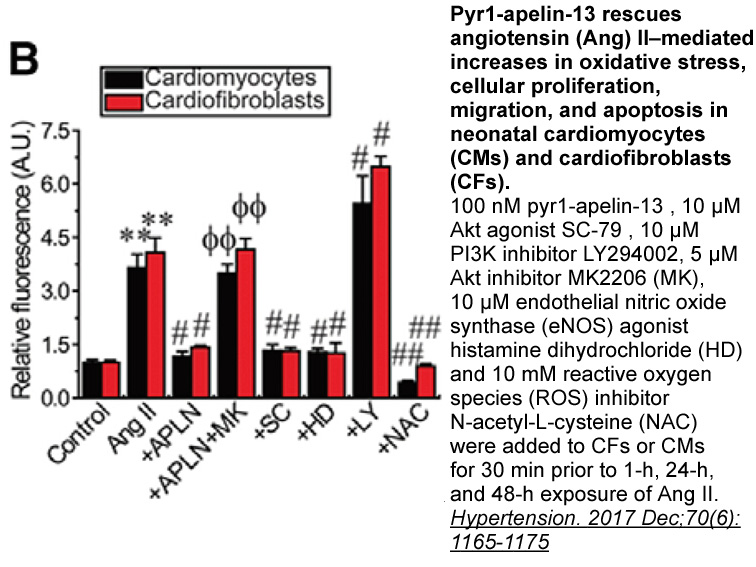
The Ala116 to Leu110 substitution would reduce the size of the active-site cavity disfavoring the production of longer allylic compounds as a result of steric hindrance, according to the observations of Poulter and co-workers [29], [30]. However, this explanation appears to be unlikely since several
-
Methods br Results br Discussion SV exocytosis
2022-10-10
Methods Results Discussion SV exocytosis from excitatory boutons is more sensitive to inhibition by isoflurane than exocytosis from inhibitory boutons,4, 31 but the mechanism(s) of this synaptic selectivity is unknown. Although P/Q-type VGCCs contributed quantitatively more to SV exocytosis t
-
br Results br Discussion HIV reservoirs represent a major
2022-10-10
Results Discussion HIV reservoirs represent a major barrier to HIV eradication (Archin et al., 2014, Kimata et al., 2016), and substantial research efforts are being directed toward the goal of identifying and eliminating this obstacle to cure (Archin and Margolis, 2014, Pitman et al., 2018).
-
The strict control of Spi
2022-10-10
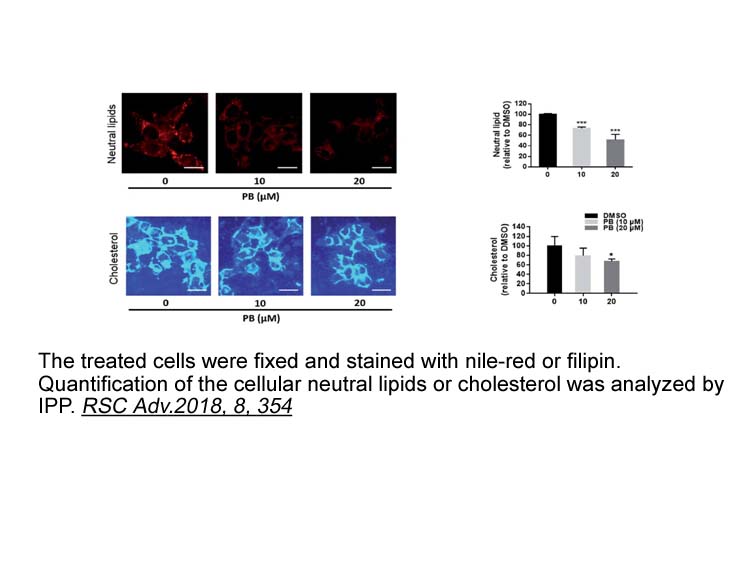
The strict control of Spi1 expression is critical for proper myeloid cell fate determination, and genetic or epigenetic changes in the Spi1 gene frequently contribute to the leukemogenesis in mice and human. It is has been shown that Spi1 expression is frequently downregulated in human AML patients
-
br Prostaglandins meet Hippo The prostaglandins lie at
2022-10-10
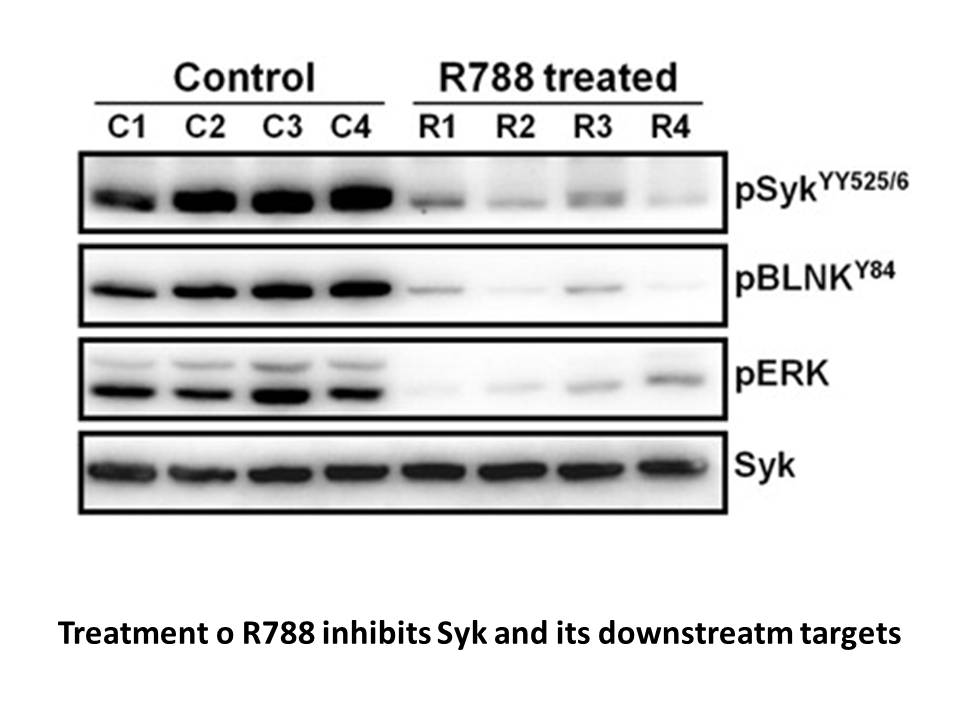
Prostaglandins meet Hippo The prostaglandins lie at the crossroads between inflammation, regeneration and tumorigenesis (Figure 3). Prostaglandins are synthesized from archidonic Cinobufagin by Cox1 and Cox2 enzymes [40, 41] and in the gut, prostaglandin E2 (PGE2) protects against DSS-induced col
-
Furthermore the identification of the
2022-10-10
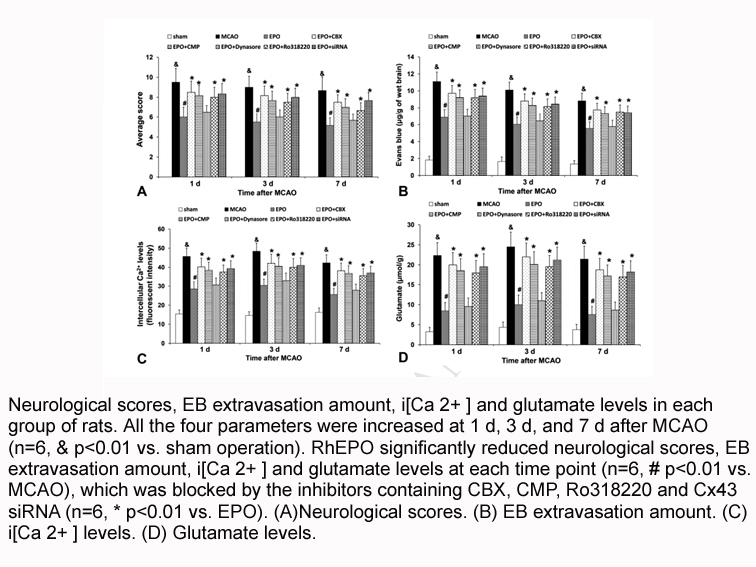
Furthermore, the identification of the inhibitory effect of P. grandiflorum and ginseng extract on HDAC represents an effective workflow for gene expression similarity-based repositioning of nutraceuticals. Acknowledgments This research was supported by Basic Science Research Program through the
-
Glutathione S transferases constitute a family of enzymes in
2022-10-10
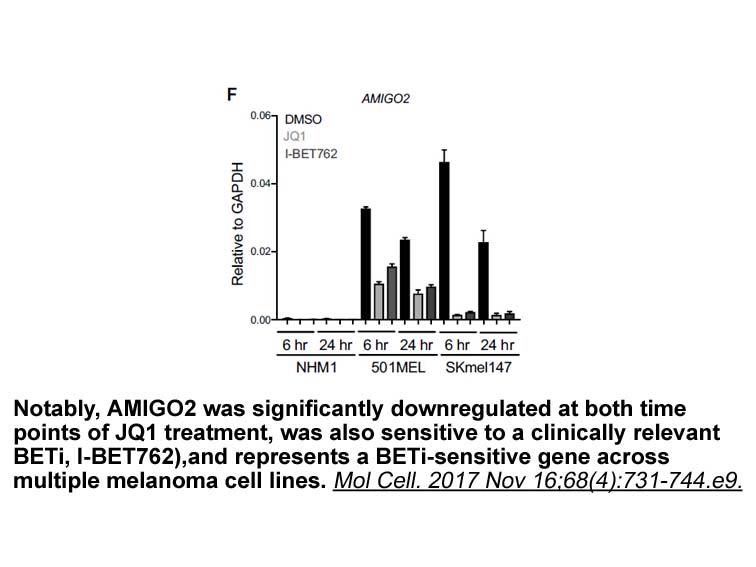
Glutathione-S-transferases constitute a family of enzymes involved in the detoxification of xenobiotics, signalling cascades and serving as ligandins or/and catalyzing the conjugation of various chemicals and drugs [53]. The present finding indicates significant increase in GST activity in the brain
-
After the synthesis of methylsulfonyl
2022-10-10
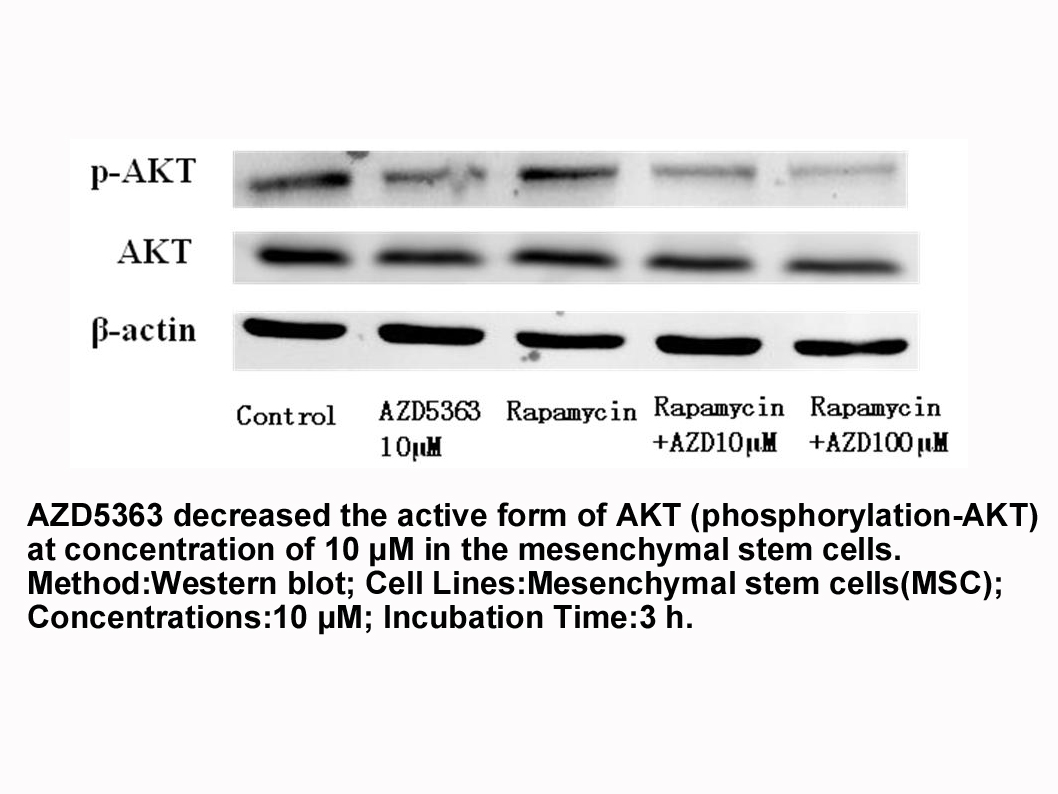
After the synthesis of methylsulfonyl or tetrazole surrogate derivatives, compounds synthesized by introducing hydrogen, fluoro, and methyl groups into the head group of GPR119 agonists were synthesized. Compounds – were synthesized by reacting hydroxybenzaldehyde with fluorine, hydrogen, or a methy
-
br Experimental br Results and discussions
2022-10-10
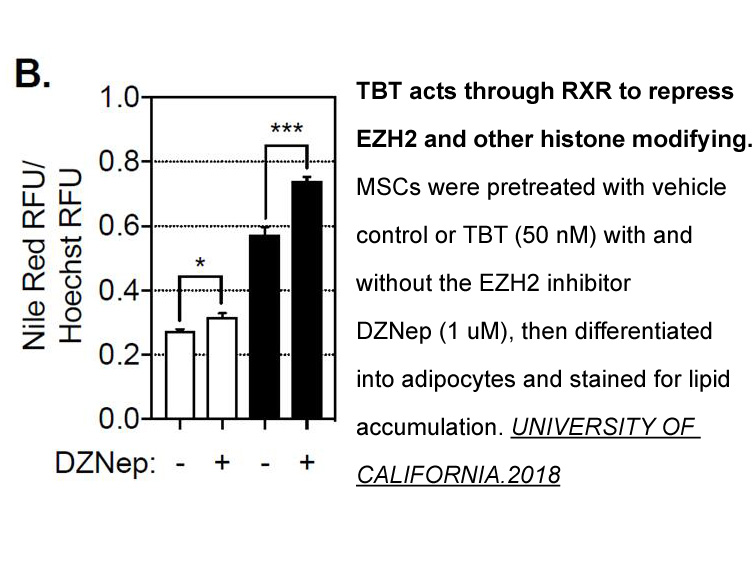
Experimental Results and discussions Conclusions In this work, a novel label-free ECL biosensing method was developed to detect TDG activity using signal amplification strategy of HCR which was triggered by DNA functionalized AuNPs. The label-free ECL biosensing platform has been constructe
11417 records 91/762 page Previous Next First page 上5页 9192939495 下5页 Last page