Archives
- 2026-07
- 2026-06
- 2026-05
- 2026-04
- 2026-03
- 2026-02
- 2026-01
- 2025-12
- 2025-11
- 2025-10
- 2023-07
- 2023-06
- 2023-05
- 2023-04
- 2023-03
- 2023-02
- 2023-01
- 2022-12
- 2022-11
- 2022-10
- 2022-09
- 2022-08
- 2022-07
- 2022-06
- 2022-05
- 2022-04
- 2022-03
- 2022-02
- 2022-01
- 2021-12
- 2021-11
- 2021-10
- 2021-09
- 2021-08
- 2021-07
- 2021-06
- 2021-05
- 2021-04
- 2021-03
- 2021-02
- 2021-01
- 2020-12
- 2020-11
- 2020-10
- 2020-09
- 2020-08
- 2020-07
- 2020-06
- 2020-05
- 2020-04
- 2020-03
- 2020-02
- 2020-01
- 2019-12
- 2019-11
- 2019-10
- 2019-09
- 2019-08
- 2019-07
- 2019-06
- 2019-05
- 2019-04
- 2018-07
-
Recent evidence indicates that prolonged vasoconstriction of
2022-09-17
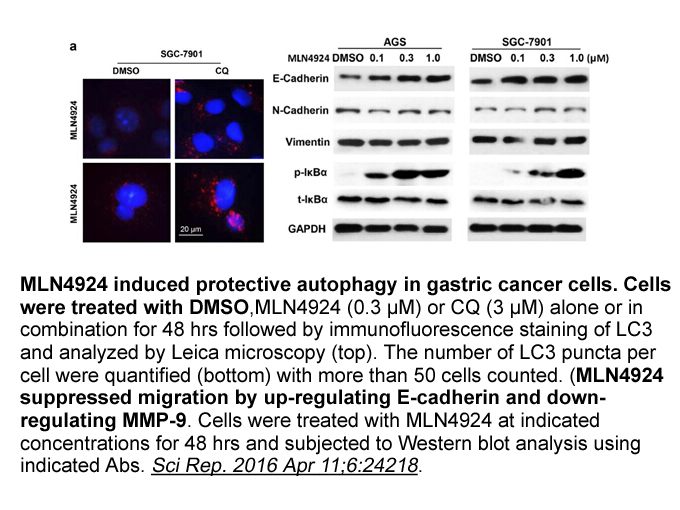
Recent evidence indicates that prolonged vasoconstriction of conductance and resistance arteries involves VSMCs Imatinib polymerization, through activation of small GTPases [4] and a subsequently transition to a more solid rheology [5]. Actin polymerization occurs in two steps, nucleation and elonga
-
ache inhibitor br Importance of iron and lipoxygenase
2022-09-17
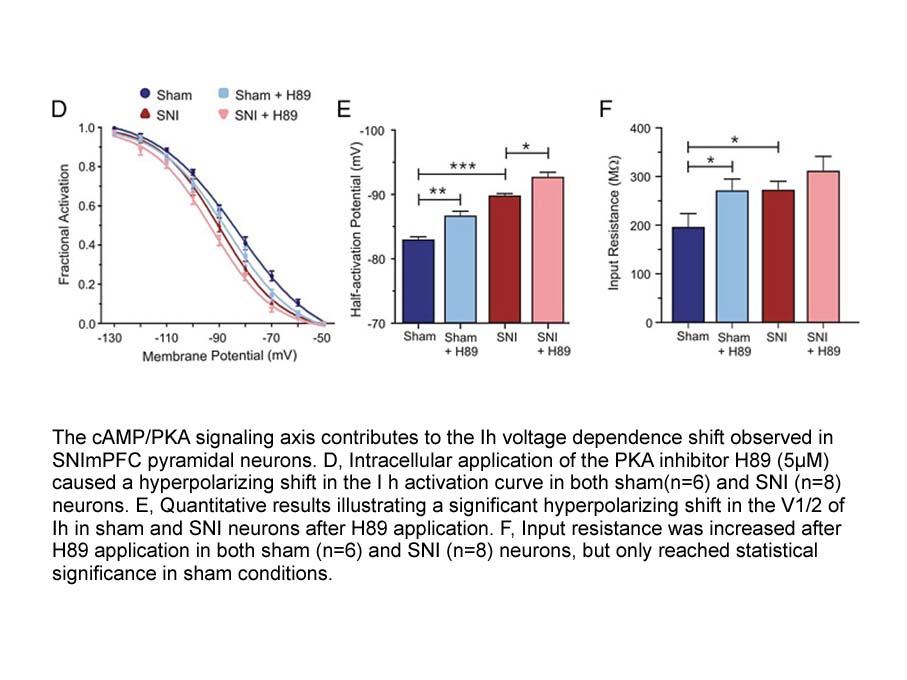
Importance of iron and lipoxygenase in ferroptosis What remains to be somewhat controversial is the role of iron and lipoxygenases (LOX) in the death process, specifically in lipid peroxidation. So far, iron chelators have been repeatedly shown to halt ferroptosis (hence its name) induced by chem
-
The F P concentration reported
2022-09-17
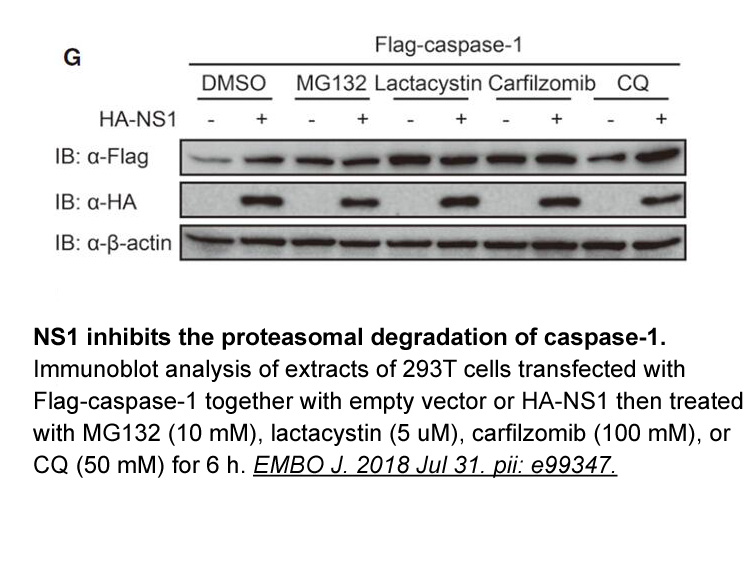
The F6-P concentration reported for a resting rabbit muscle [20] reduced the KAapp for aldolase–FBPase complex more than 50 times compared to KAapp for aldolase–FBPase in the absence of effectors (Fig. 1b and Table 1). A standard assay for determination of FBPase activity in a complex with aldolase
-
The ETA receptor has a higher affinity for endothelin than
2022-09-17
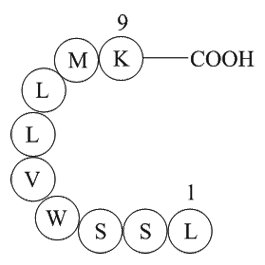
The ETA receptor has a higher affinity for endothelin-1 than the two other agonists, with an affinity order of endothelin-1>endothelin-2>endothelin-3, while the ETB receptor exhibits similar affinities for all three isopeptides (Arai et al., 1990b, Sakurai et al., 1990). Earlier studies of the selec
-
The lower number of samples
2022-09-17
The lower number of samples tested for the comparison between cobas 4800 HIV-1 and RealTime HIV-1, especially at or below 50 copies/mL (Table 6), could limit our ability to discern a difference in the ability of the various assays to identify patients with virological failure. However, the 95% CI ar
-
It is important to mention
2022-09-17
It is important to mention that the IC50 of cetirizine needed to achieve histamine H2 receptor desensitization was 0.43 µM or 170 ng/ml (Fig. 1B), becoming clinically relevant since pharmacokinetic studies after oral administration of the clinically used dose (10 mg/day) reported a maximal plasma co
-
The cytotoxicity of these compounds against Hep B cells
2022-09-17
The cytotoxicity of these compounds against Hep3B cells was assessed using the MTT assay. As shown in , compounds in series and (except ), which retained the carboxyl at C-17, showed no appreciable cytotoxic activity (IC > 100 μM), whereas compounds in series (except ,) were modestly cytotoxic, i
-
br Acknowledgements This work was financially supported by t
2022-09-16
Acknowledgements This work was financially supported by the National Natural Science Foundation of China (Grant No. 81803033) and the “Double First-Class” University project (CPU2018GF02). Introduction Atrial fibrillation (AF) is the most common progressive cardiac rhythm disorder. Studies ha
-
Organisms can adapt to increasing ROS production by up
2022-09-16
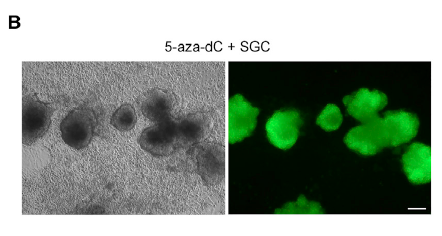
Organisms can adapt to increasing ROS production by up-regulating antioxidant defences, such as the activities of antioxidant enzymes (Livingstone, 2003). Failure of antioxidant defences to detoxify excess ROS production can lead to significant oxidative damage including enzyme inactivation, protein
-
br Conclusion In conclusion we
2022-09-16
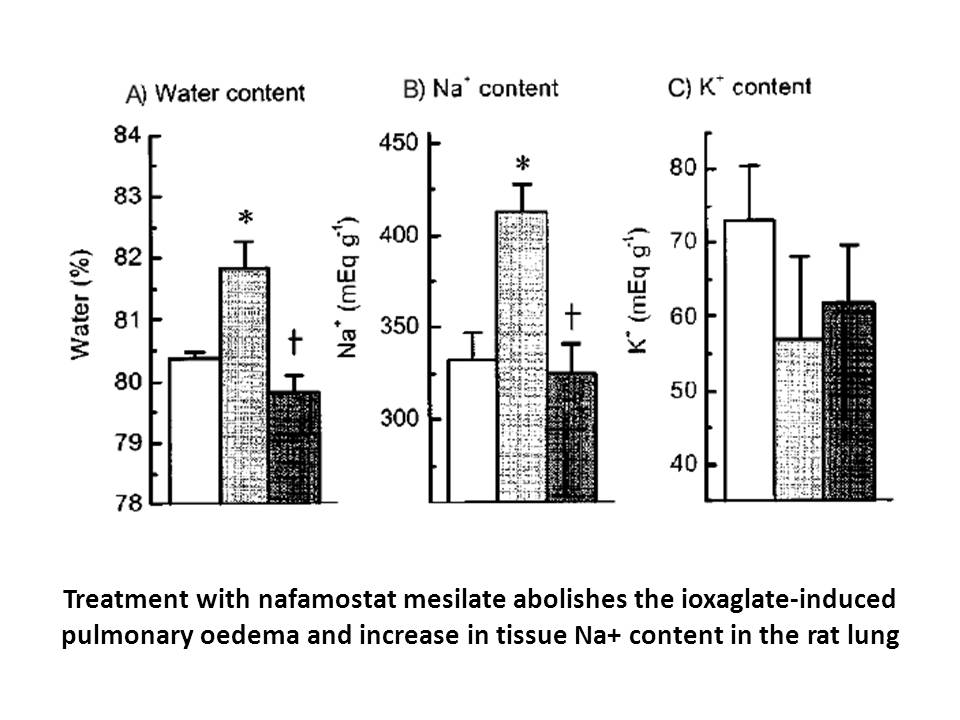
Conclusion In conclusion, we showed that apoptosis is involved in etoposide-induced pancreatic β-cell cytotoxicity. More importantly, as shown in Fig. 6, the results of this study demonstrated that etoposide induces pancreatic β-cell death via the JNK/ERK activation-mediated GSK-3 downstream-trig
-
The atherosclerosis development requires additional pro infl
2022-09-16
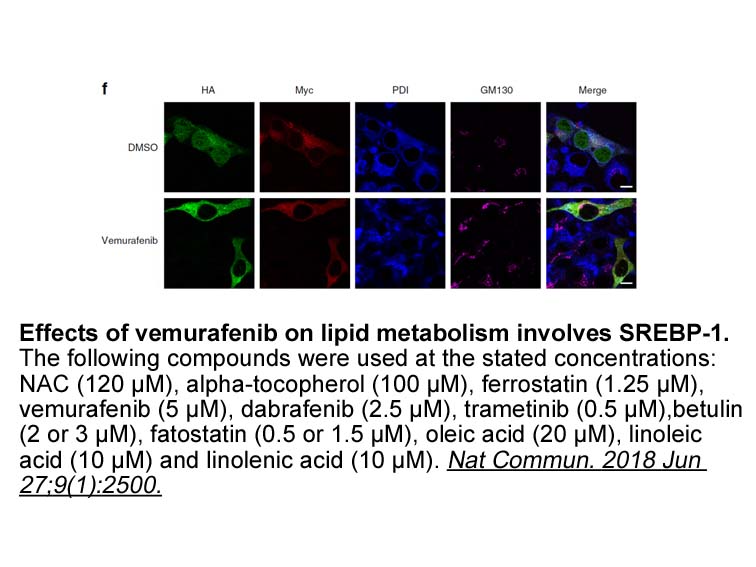
The atherosclerosis development requires additional pro-inflammatory response in the vascular tissue, promoting increased levels of adhesion molecules such as VCAM-1 (vascular cell adhesion molecule-1) and ICAM-1 (intercellular adhesion molecule-1). Cytokines such as TNF-α and IL-1β are able to upre
-
Spectinomycin hydrochloride hydrate receptor br Results br D
2022-09-16
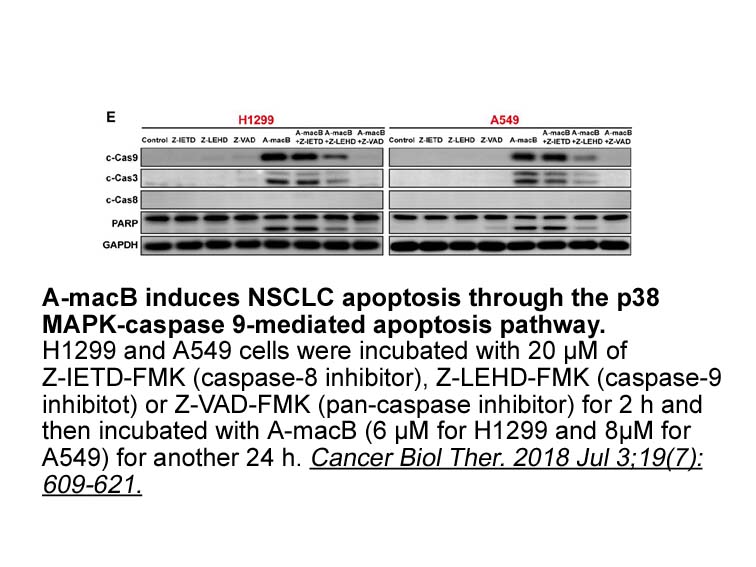
Results Discussion The twin-cysteine motif is an evolutionary conserved motif in all primate lentiviruses except HIV-1 and some strains of SIVcpz according to sequence analysis (Bohl et al., 2013). It is assumed that only those SIVcpz which have lost the twin-cysteines successfully evolved to
-
Extending the issue of the species differences the
2022-09-16
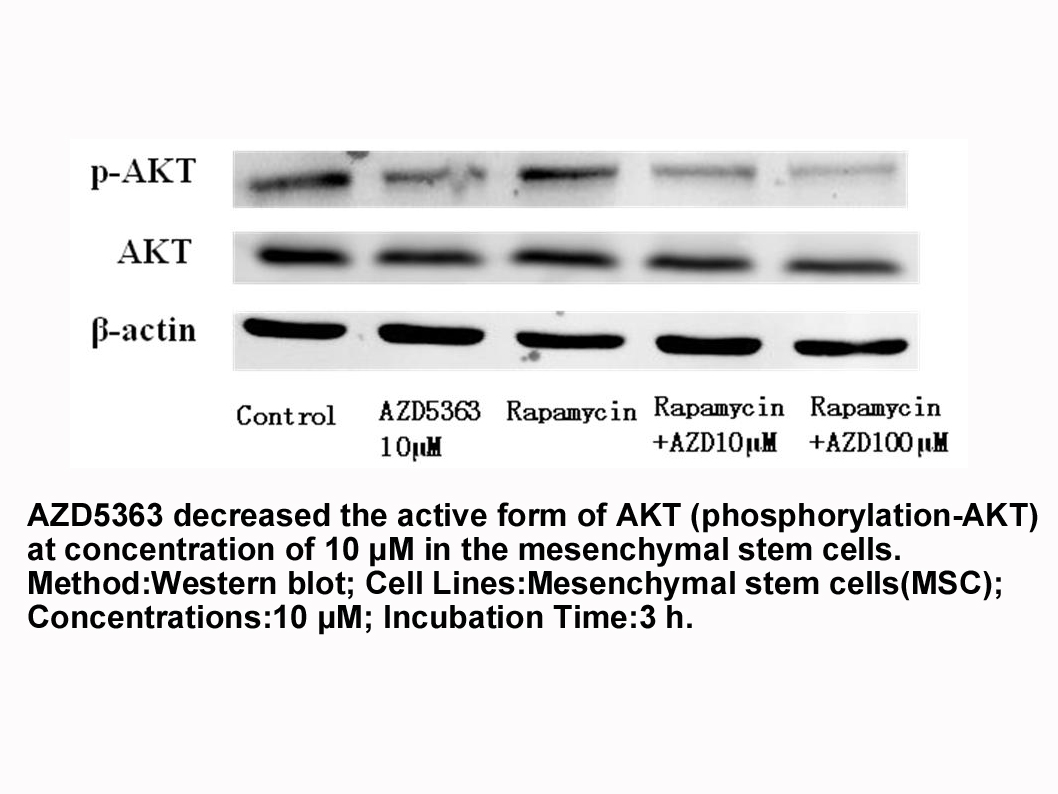
Extending the issue of the species differences, the role of neuroestradiol in the preovulatory GnRH/LH surge might be specific to primates or species with a luteal phase. For example, animals with a true luteal phase, such as monkeys and sheep, exhibit a long preovulatory GnRH surge, lasting well af
-
In this study with the
2022-09-16
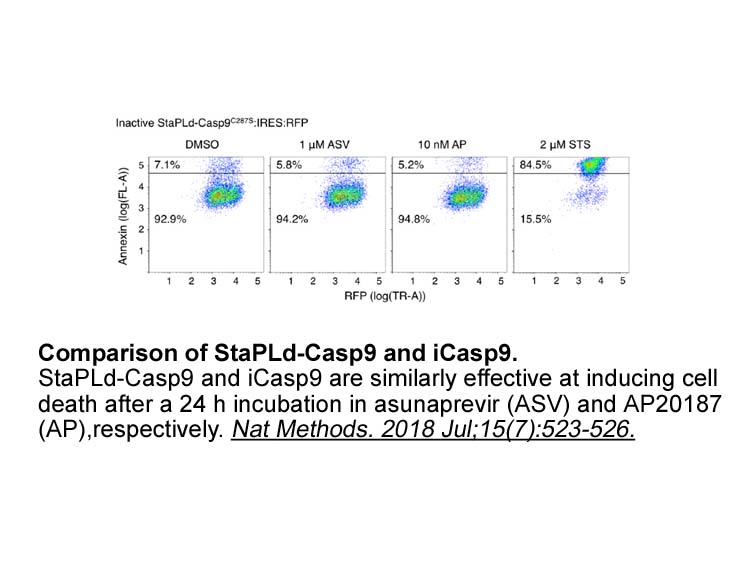
In this study, with the use of 13C515N2-labeled glutamine, we observed that 13C515N2-labeled glutamine produces a wide range of NAAG isotopologues and its precursors: NAA and glutamate. The NAAG production from glutamine is consistently more elevated in MYC-ON lymphoma and OVCAR4 compared to MYC-OFF
-
Such responses have led to the
2022-09-16

Such responses have led to the idea that elasmobranchs may be glucose intolerant. However, certain species, such as the North Pacific spiny dogfish (Squalus suckleyi; note that the species used in this study was previously referred to as Squalus acanthias but a study by Ebert et al. (2010) provided
11417 records 97/762 page Previous Next First page 上5页 96979899100 下5页 Last page